
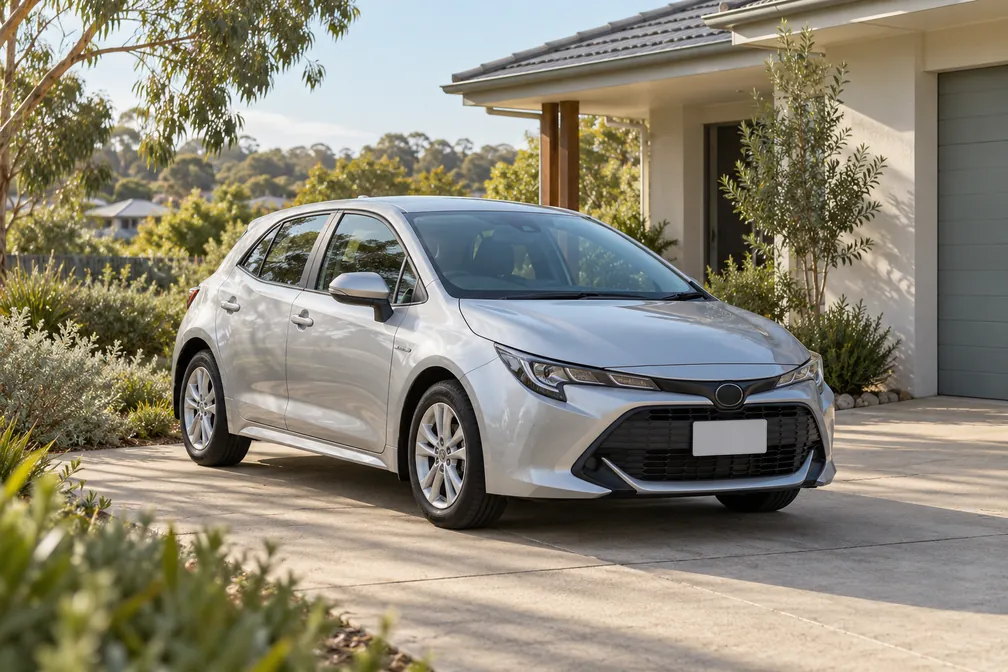
Which loan fits your car?
Use the comparison tool to shortlist loans, then confirm the lender accepts the specific vehicle and transaction. A car-purpose filter helps narrow your search; it does not verify the car's eligibility.
| Option | What it means | Check first |
|---|---|---|
| Secured car loan | The car backs the loan. The lender may repossess and sell it if you do not meet repayments. | Vehicle restrictions, insurance requirements and the total price of finance. |
| Unsecured personal loan | No vehicle is pledged as security. You still have to repay the debt. | Whether car purchases are allowed and how the offered rate compares. |
| Dealer-arranged finance | Finance arranged through the dealership. | The cash purchase price, financed price, fees, optional extras and final payment. |
Moneysmart's car-loan guide explains the security trade-off and recommends comparing finance before choosing a car. Use our secured versus unsecured guide for more detail.
Set a purchase budget and an ownership budget
Keep two figures separate: the money needed to complete the purchase, and the ongoing cost of keeping the car. Your lender's maximum offer does not have to become your spending target.
- Purchase: agreed car price, transfer or registration charges, inspections and any immediate work, less your deposit or confirmed trade-in value.
- Ownership: repayments, insurance, fuel or charging, registration renewals, servicing, tyres and parking.
- Reserve: money left after purchase for an unexpected repair or another household bill.
Get actual quotes for your shortlist, especially insurance. Moneysmart's buying and running a car checklist covers costs and used-car inspections.
For example, a $28,000 car with a $5,000 deposit needs $23,000 of purchase finance before other costs. If a $1,000 inspection-and-transfer budget also needs financing, the borrowing gap becomes $24,000. This is a planning example, not an estimate of government charges.
Compare the whole quote, including the final payment
Request written quotes for the same amount and term. Record the offered interest rate, comparison rate, repayments, upfront and ongoing fees, total payable and any early payout charge. Read the assumptions behind the comparison rate; it is not a personalised total-cost quote.
Ask for lender fees and any broker or dealer fee separately. ASIC's car-finance review found that both lender and distributor establishment fees could contribute to the cost.
A balloon payment leaves a lump sum due at the end. It can make regular repayments look smaller while leaving you with a substantial final bill. Ask for quotes with and without it, including total interest. Decide how you would pay the balloon without assuming another loan will be approved or the car will sell for enough.
Questions to ask a dealer
- What is the car's price if I arrange finance elsewhere?
- Does the finance offer change a discount, trade-in allowance or included extra?
- Which add-ons are optional, and what does the quote cost without them?
- Is there a balloon or guaranteed-future-value arrangement, and what conditions apply?
- What happens to my deposit if finance is declined?
A longer term changes the price of the car
Illustration: borrow $25,000 at a constant 10% p.a., with monthly principal-and-interest repayments, no fees and no balloon. This is an assumed rate, not an available offer.
| Loan term | Monthly repayment | Total repaid |
|---|---|---|
| 3 years | About $807 | About $29,040 |
| 5 years | About $531 | About $31,871 |
The five-year option lowers the monthly payment by about $276 but adds about $2,830 in interest. Ask whether the lower payment is worth carrying the debt for two extra years. Use the personal loan calculator with your quoted rate and fees. Actual lender calculations can differ.
Check the vehicle before paying a deposit
Ask the lender about the car's age both now and when the loan finishes, make and model, import status, condition, seller type and insurance. An eligible borrower can still choose an ineligible car.
For example, NAB's secured car loan currently limits used vehicles to 12 years old at application and 15 at the end of the term, alongside other conditions. That is one lender's rule, checked 2 October 2026. It shows why a term that works for your budget may not work for the vehicle.
For an electric vehicle, check the exact model against any green-loan rules. NAB's EV product, for example, distinguishes eligible all-electric and plug-in hybrid cars. Compare the full quote after any discount.
For a private sale, ask who receives the funds and how any existing secured debt will be paid out. Arrange an independent mechanical inspection. A finance approval does not tell you whether the car is mechanically sound.
Use the official PPSR vehicle search on the purchase day or the day before. An online search costs $2 and needs the VIN or chassis number, not the number plate. Keep the certificate. It checks registered security interests and may show stolen or written-off information; vehicle-history data can be incomplete or out of date.
Move from a shortlist to a confirmed purchase
- Confirm the loan's borrower and vehicle criteria before a full application.
- Gather identity, income, expenses and existing-debt information, plus the vehicle and seller details requested.
- Ask what any conditional approval still depends on and when it expires.
- Check the sale contract's finance and deposit terms before signing.
- Confirm final approval, insurance, settlement instructions and when the seller will receive cleared funds.
See the document checklist and lender processing-time guide. A quick quote, credit decision and payment to the seller are different milestones.